


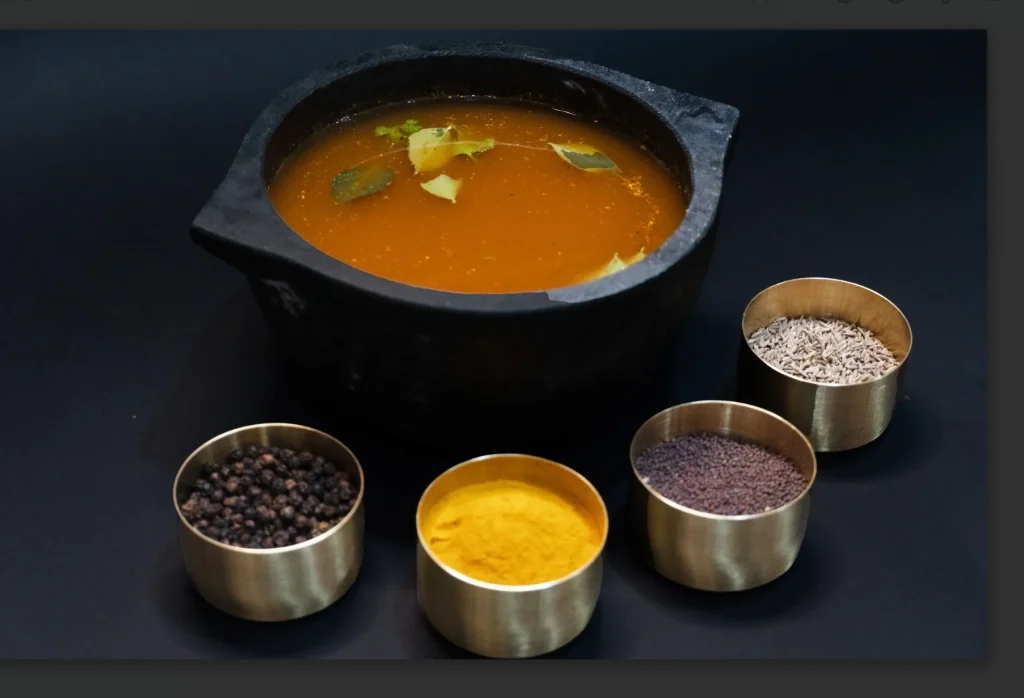
Have you ever wondered how our moms and grandmoms created magic in the kitchen? That aha moment when we took a bite—experiencing the blissful taste of our favorite dish. The warmth and emotional rush that fills us when we finish a meal… How do they manage to create this wonder? Isn’t it a question that intrigues us all?
My mother-in-law always says that a person’s hands are responsible for the taste of the dish. In a household where two people cook, it’s fascinating to observe how the same raw materials can produce different results.
For instance Rasam ( Lentil Soup ) its the same lentils, water, salt, the same spices, and the same utensils!! But each cook brings their own unique touch to the dish. When one person cooks it, the flavors might seem rich and comforting, while when the other person takes over, it might taste slightly different, yet equally delightful. This subtle variance highlights how the same ingredients can come to life in different ways, influenced by the cook’s individual touch and experience.
Even when we follow the exact same measurements, the taste still differs!
In an instance a family member will ask who cooked? They ll know the difference
In my mother tongue Kannada, its called “Kairuchi” – meaning “taste of the hand” It refers to the unique flavor or special touch that a person’s hands impart to the food they cook, highlighting the idea that each cook’s personal touch makes a difference in the taste of a dish.
Why does this happen ? Is it some sort of secret sauce that our grandmas never gave us ?
What is that secret Sauce??
For generations in our Indian Culture its has been spoken.
Its the intention .. the love .. the thoughts .. the Bond
A little love for and while cooking can transform a simple meal into something truly special. It’s not just about the ingredients or the recipe—it’s about the energy and love we infuse into the food. This love can elevate a dish from merely nourishing to something that delights the senses and strengthens the bond with those who share it.
Cooking with love isn’t just an abstract idea; it has real, tangible benefits. For example, when we take the time to prepare meals from scratch, we’re more likely to use fresh, wholesome ingredients, which naturally leads to healthier eating. The act of cooking mindfully allows us to make choices that prioritize the well-being of our family, whether it’s reducing processed foods, incorporating more vegetables, or experimenting with spices and herbs that boost immunity and digestion. In this way, love becomes a key ingredient in creating meals that are both tasty and nutritious.
There’s something almost magical about food cooked with good intentions. In many cultures, it’s believed that the energy of the cook transfers to the food. Research has shown that when we cook with positive emotions, it enhances the experience for both the cook and those who eat the meal. Like in Ayurvedic traditions, where the mindset and mood of the cook are considered crucial to the healing properties of the food, or in Japanese “washoku” cuisine, where the harmony between the cook’s spirit and the ingredients is believed to create a balanced, nourishing meal. Even in Western traditions, the idea that “the secret ingredient is love” highlights the universal belief that food made with care and affection can work wonders, turning everyday meals into something extraordinary for the family.
How about we add a bit of extra love the next time we cook 🧡